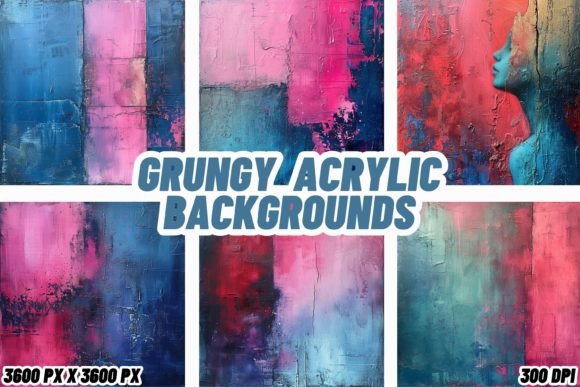
Inject Raw Energy: Using Grungy Acrylic Backgrounds
Understanding the Grunge Aesthetic
In the world of digital design, we often find ourselves fighting against the "sterile" look of default white backgrounds and flat colors. While minimalism has its place, there are projects that demand grit, texture, and a sense of human touch. This is exactly where Grungy Acrylic Backgrounds come into play. At first glance, the term might sound chaotic, but these assets are actually a sophisticated way to add depth to your work. They combine the unpredictable nature of heavy-body acrylic paint—think thick strokes and vibrant pigment—with the distressed, weathered look of urban decay or vintage paper. The result is a collection of 12 dynamic designs that feel alive.
Where to Apply Dynamic Textures
One of the most common questions I hear from clients and fellow creatives is about context. Where does a background this expressive actually work? The truth is, Grungy Acrylic Backgrounds are surprisingly versatile, provided you understand the vibe you are projecting. They are exceptional for digital art projects where you want to emulate a mixed-media look without getting your hands dirty with actual paint. If you are a content creator or a blogger, these textures can transform a standard header image into something that stops the scroll on social media. The visual hierarchy shifts when you use a textured background; your text and focal points need to be strong enough to stand out against the noise, but when they do, the impact is massive.
Consider the world of brand identity. If you are working with a band, a streetwear brand, or a modern art gallery, using a flat sans-serif font over a pristine white background feels disconnected. These grungy textures provide the perfect backdrop for logo design mockups or packaging design that needs to convey a sense of raw, handcrafted quality. They also shine in editorial design and web design. Imagine a hero section on a website for a photographer or a musician; the acrylic texture adds an instant atmosphere that standard design assets simply cannot replicate. It’s about creating an environment for your content to live in, rather than just placing it on a blank canvas.
Strategic Implementation and Pairing
Using a high-energy background requires a bit of strategy to maintain readability and professionalism. The golden rule here is contrast. Because the Grungy Acrylic Backgrounds are visually complex, your typography needs to be clean. This is where font pairing becomes critical. You generally want to avoid highly decorative or handwritten fonts for body text when using these backgrounds, as it can become a visual headache for the reader. Instead, opt for a sturdy, clean sans-serif font or a bold, legible serif font for headlines.
Let’s look at a practical example. If you are designing a social media graphic for a sale or an event, place a semi-transparent shape (like a white or dark box with 70% opacity) over a section of the acrylic background. This creates a "safe zone" for your text, ensuring your message isn't lost in the paint strokes. This technique preserves the edgy vibe of the texture while maintaining the clarity required for marketing materials. It’s a balance between creative font expression and functional modern typography.
Furthermore, think about color psychology. The collection offers various hues, so choose a background that complements your existing brand identity rather than clashing with it. If your brand colors are cool blues and grays, a warm, fiery red grunge background might send mixed signals unless you are specifically going for a high-contrast, disruptive campaign. Always test your font pairing and layout on a mobile device. What looks like artistic texture on a large desktop monitor can sometimes turn into muddy noise on a small phone screen.
Elevating Your Creative Process
Ultimately, the goal of using assets like the Grungy Acrylic Backgrounds collection is to inject personality into your work. We live in a digital landscape that is often criticized for being too "perfect" and "polished." By incorporating these textures, you are reintroducing a human element. It signals to your audience—whether they are entrepreneurs, marketers, or hobbyists—that you value creativity and aren't afraid to break the mold.
Don't be afraid to experiment with layering. These backgrounds work beautifully under filters or blended with other design assets. You might find that lowering the opacity of the background allows it to support your content rather than dominate it. For small business owners creating their own marketing materials, these backgrounds offer a way to look "big budget" without the custom illustration costs. They provide that textured, premium feel that elevates a simple flyer or web design mockup into something professional and engaging.