Old Newspaper Texture Papers Backgrounds for Authentic Design
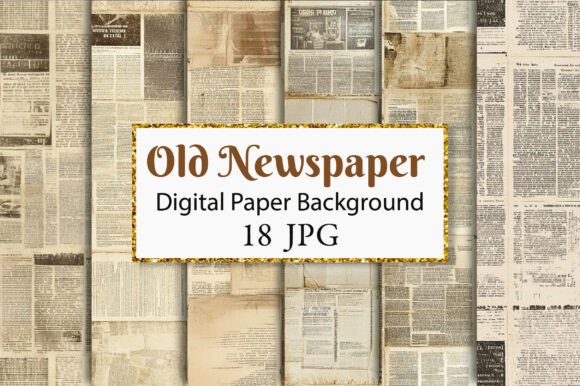
There is a distinct, tactile charm to old newsprint. It carries the weight of history, the faint scent of aged paper, and a visual texture that feels inherently authentic and grounded. In a digital landscape often dominated by clean vectors and flawless gradients, introducing that analog warmth can be a powerful design choice. This is precisely the appeal of the Old Newspaper Texture Papers Backgrounds set. These aren't just digital files; they are curated artifacts, offering 18 unique papers that capture the subtle grain, faded ink, and gentle yellowing of classic broadsheets. The visual personality is one of understated elegance and rustic credibility, perfect for projects that need to feel established, thoughtful, or steeped in narrative.
Where This Texture Truly Shines
The versatility of these backgrounds extends far beyond a simple novelty. As a design asset, its strength lies in its ability to add instant depth and context. For graphic design and editorial design, it becomes a foundational layer for magazine layouts, book covers, or portfolio presentations that aim for a vintage or literary aesthetic. In brand identity work, it can help a boutique brand, a craft brewery, or a heritage-style café establish a brand perception rooted in tradition and craftsmanship. The texture itself tells a story before a single word of copy is read.
Consider its application in packaging design. Wrapping a artisanal product in a simulated newsprint texture immediately communicates a sense of handmade care and substance. For social media graphics and web design, these papers serve as compelling backgrounds for quotes, product shots, or promotional banners, cutting through the visual noise with their organic character. The 300 dpi resolution and 12"x12" size ensure they hold up beautifully in print, making them ideal for scrapbooking, wedding invitations, birth announcements, and even planner stickers. The key is matching the texture's personality—its grain, its tone—to the project's voice. It's not suited for ultra-modern tech startups, but for anything valuing warmth, story, or a touch of nostalgia, it's a perfect fit.
Practical Guidance for Seamless Integration
Working with texture-based backgrounds requires a slightly different mindset than using flat color or simple patterns. First, evaluate your project's needs. Does your layout call for a full-bleed texture, or would a subtle, semi-transparent overlay work better? The Old Newspaper Texture Papers Backgrounds offer immense flexibility here. Because they are high-resolution JPEGs, you can easily adjust opacity, blend modes (like Multiply or Overlay), and even apply slight color tints in software like Photoshop or Affinity Designer to match your exact color palette.
A critical consideration is readability. Placing text over a busy texture requires careful thought. Ensure sufficient contrast between your typeface and the background. Often, pairing a bold, clean serif font or a sans serif font with a solid drop shadow or a semi-opaque overlay box will create the necessary hierarchy. Avoid delicate script fonts or overly detailed handwritten fonts directly on the texture, as they can become lost. Instead, use the texture as a framing device or a surrounding element that complements your primary typography.
Think about font pairing. The vintage newspaper aesthetic pairs beautifully with classic serif typefaces like Garamond or Baskerville, evoking a sense of timeless editorial design. For a more contemporary contrast, pair it with a geometric sans serif font to create a dynamic tension between old and new. This interplay is where you can develop a sophisticated visual hierarchy and strengthen brand recognition. Always test your combinations at the intended output size—what looks balanced on screen may need adjustment for a printed card or a large social media banner.
Finally, remember this is a digital product for instant use. The immediate download means you can start experimenting right away. While it's not a commercial font in the traditional sense, the license typically covers a wide range of personal and commercial projects, from client work to products for sale. Always review the included license terms to be sure. By thoughtfully integrating these textures, you're not just adding a background; you're investing a piece of your project with a tangible sense of history and character that resonates on a human level.