Timeless Charm: Using Vintage Sheet Music Backgrounds
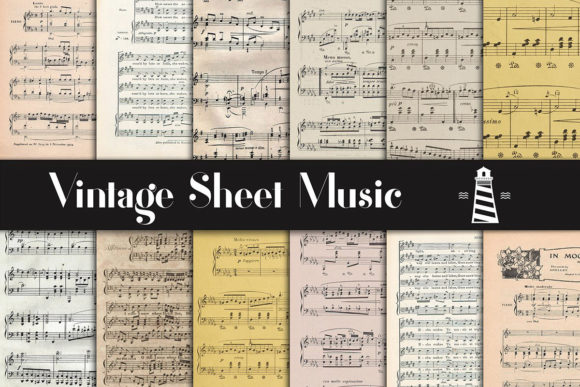
There is a distinct warmth to aged paper—the kind of texture that digital screens often strip away. When I first curated this collection of vintage music papers, I was looking for that specific tactile nostalgia. These aren't just random textures; they are high-quality 300 dpi scans designed to bridge the gap between digital convenience and the tactile history of the early 20th century. At 12x12 inches, these JPEGs serve as a robust foundation for a wide array of creative projects, offering a design asset that feels inherently expensive and established.
The Aesthetic: More Than Just a Texture
What sets these backgrounds apart is their ability to act as a design asset without overwhelming the content placed on top of them. Visually, they represent the "Golden Age" of music publishing. You will notice the yellowed patina of the paper, the crisp black ink of the musical notation, and the slight imperfections that come with age. This isn't a sterile, vectorized representation of music; it is the real thing. The visual personality is romantic, artistic, and slightly melancholic. It evokes a sense of heritage and craftsmanship.
For those working in brand identity, this texture speaks volumes about a brand's values. It suggests that the business or individual appreciates history, art, and detail. Unlike a generic solid color, a vintage music paper background adds immediate depth. It creates a "lived-in" look that modern, flat design often lacks. It’s a style that works beautifully in editorial design, where the goal is to tell a story that feels timeless rather than trendy.
Practical Applications: From Print to Pixel
One of the biggest challenges creatives face is finding design assets that transition well between mediums. These backgrounds are exceptionally versatile. Because they are delivered as 300 dpi, 12x12 inch files, they are ready for print immediately. However, their application in the digital space is equally powerful.
Physical Projects and Craft
If you are a crafter, small business owner, or event planner, the utility is obvious. These files are perfect for packaging design for artisanal goods—think candle wrappers, soap bands, or boutique chocolate boxes. They are also ideal for stationery. You can use them to create custom greeting cards, wedding invitations with a vintage theme, or scrapbooking layouts. The 12x12 format is particularly convenient for scrapbookers, as it requires no resizing to fit standard albums. You can also print them out for gift wrapping or use them as backing for party decorations to create a cohesive, thematic look for a birthday or anniversary celebration.
Digital Integration
On the digital side, these textures excel in web design and social media graphics. A vintage sheet music background can serve as a hero image for a musician’s website, a texture for a podcast cover, or a unique backdrop for quotes and testimonials on Instagram. For bloggers, using these as a background for text overlays can increase engagement because the texture adds visual interest that a plain white or grey background cannot provide. They also work wonderfully as computer desktop wallpaper, bringing a touch of sophistication to a workspace.
Strategic Design: How to Use These Backgrounds Effectively
Using a busy, textured background requires a bit of strategic thinking regarding visual hierarchy and readability. As a designer, I can tell you that the success of a layout often depends on contrast.
Typography Pairing
Since the background features musical notation—which is essentially a form of graphic and serif font styling—you need to be careful with your typography choices. Avoid using script fonts or overly ornate handwritten fonts for body text, as this will result in visual chaos. Instead, pair these backgrounds with a clean, bold sans serif font. A modern, geometric sans serif will stand out sharply against the vintage paper, ensuring your message is legible while maintaining the aesthetic contrast between old and new.
If you are creating a logo or a header, a classic serif font or a sturdy slab serif can work well, provided you use a drop shadow, a semi-transparent overlay, or a text box to separate the text from the busy background. The goal is to let the vintage music paper provide the mood, while your typography provides the information.
Color and Contrast
The files are naturally high-contrast (black ink on cream/yellow paper), which is excellent for readability. However, if you plan to overlay your own colors or images, consider using a "Multiply" blend mode in your design software (like Photoshop or Canva). This allows the texture of the paper to show through your colored elements, integrating your design seamlessly with the background. For brand identity work, this technique helps in creating stationery that looks printed on vintage stock without the cost of custom paper manufacturing.
Commercial Licensing and Usage
For entrepreneurs and marketers, the commercial viability of an asset is crucial. This pack is designed for broad usage. Whether you are designing merchandise for a client, creating digital backgrounds for a product launch, or printing labels for a craft fair, these files are built to handle the resolution requirements. The 300 dpi quality ensures that lines remain sharp even when printed at the full 12x12 inch size, avoiding the pixelation that plagues lower-quality stock images.
When evaluating the fit for your project, consider the "personality" of your audience. These backgrounds resonate deeply with audiences who value nostalgia, music, art, and history. They are excellent for music teachers, vintage clothing brands, antique dealers, authors writing period fiction, and wedding planners. They add a layer of professionalism and recognition to your visual content, signaling that you pay attention to the details of your visual environment.
Ultimately, these vintage sheet music backgrounds are more than just decoration; they are a storytelling tool. They provide a rich, textured canvas that invites the viewer to look closer, making them a valuable addition to any creative’s toolkit.