Warmth and Whimsy: Styling with Vintage Floral Script Backgrounds
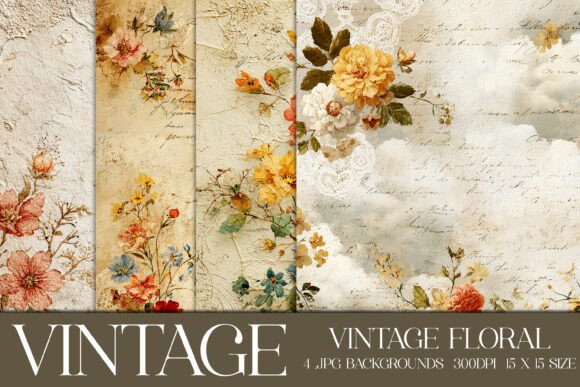
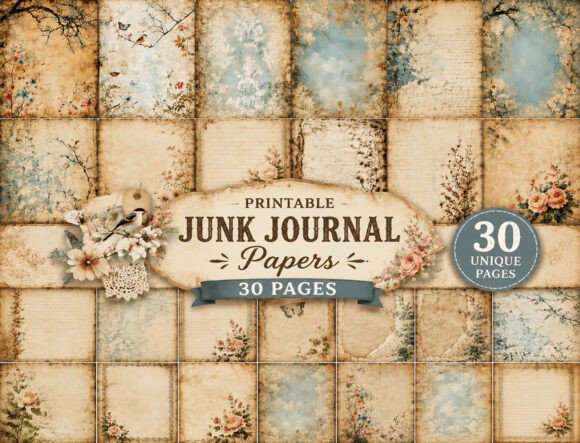
There is a specific kind of visual magic in materials that look like they have lived a life. When you hold a piece of aged paper, the texture tells a story before a single word is written on it. This is the exact feeling captured in this collection of 30 high-quality JPG digital papers. These are not just flat colors or generic textures; they are intricate compositions featuring vintage botanicals, delicate florals, wandering butterflies, and handwritten script. They bridge the gap between the raw, tactile feel of antique ephemera and the crisp requirements of modern digital design.
The Anatomy of a Timeless Aesthetic
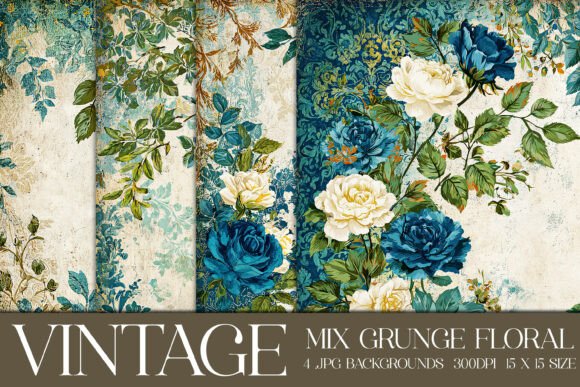
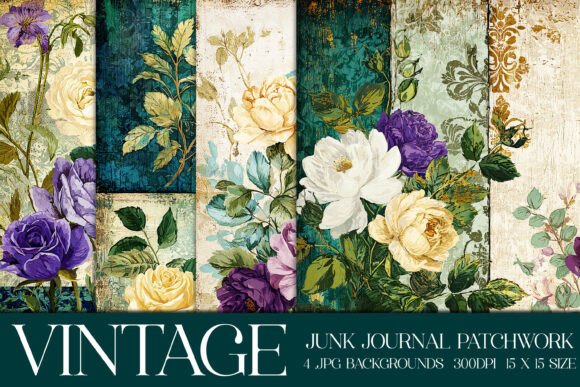
Understanding the visual weight of these backgrounds is key to using them effectively. The collection is defined by its "soft aged" aesthetic. You will find a palette anchored in warm beige, sepia, and cream, punctuated by the cool, moody depth of teal and distressed tones. This creates a high-contrast environment that still feels cohesive. The inclusion of "grunge" elements—subtle stains, torn edges, and distressed overlays—adds the necessary grit to prevent the designs from looking too pristine or sterile. This is the balance of premium design assets: they must look organic enough to feel authentic but clean enough to be functional.
The visual personality here leans heavily into the "heritage" style. It evokes a sense of nostalgia, comfort, and nature. However, because the collection includes elements of rustic collage and handwritten script, it avoids feeling stuffy or overly Victorian. It feels lived-in, much like a well-loved junk journal or a family heirloom. For designers, this means you are working with backgrounds that have a built-in emotional resonance. You aren't just placing a logo on a blank slate; you are embedding your message into a context that suggests history and care.
Strategic Applications for Modern Creators
While these are labeled as "digital papers," thinking of them merely as scrapbook supplies limits their potential. In the current landscape of brand identity and creative font usage, texture is a vital tool for differentiation. Here is how different professionals can leverage this specific aesthetic:
- For the Entrepreneur and Brand Strategist: If you are building a brand in the wellness, artisanal, or lifestyle sectors, these backgrounds are invaluable. Use them as the backdrop for social media quotes or testimonials. A sepia-toned background with a botanical outline instantly communicates "organic" and "handmade" without saying a word. It sets a mood that a plain white background simply cannot achieve.
- For the Publisher and Blogger: Editorial design often suffers from digital fatigue—screens feel cold. Using these textures for blog headers, newsletter banners, or e-book covers adds a layer of warmth. The antique paper textures are particularly effective for "About Me" pages or author bios, lending an air of established authority and personality.
- For the Crafter and Hobbyist: The practical applications here are boundless. Because the files are sized at 8.5 x 11 inches and 300 DPI, they are print-ready. They serve as perfect foundations for printable craft projects, from junk journaling and scrapbooking to creating custom labels and tags for physical products. The vintage floral motifs work beautifully for wedding invitations or stationery sets, offering a cohesive look that feels bespoke.
Pairing Typography with Organic Textures
One of the challenges of using detailed backgrounds is maintaining readability. This is where font pairing becomes critical. Because these backgrounds feature busy elements like floral arrangements and script handwriting, you need to be strategic with your typography choices to ensure visual hierarchy.
Avoid placing complex script fonts or highly decorative serif fonts directly over the busiest parts of the paper. The visual noise will compete for attention, resulting in a cluttered mess. Instead, look for the quieter areas of the design—the solid sepia washes or the lighter cream margins—to place your primary text.
Recommendations for Pairing:
- High-Contrast Sans Serif: A bold, clean sans serif font works exceptionally well here. The geometric, modern lines of a sans serif typeface provide a sharp contrast to the organic, irregular shapes of the botanicals. This combination feels fresh and current, bridging the gap between vintage aesthetics and modern web design.
- Readable Serifs: For a more traditional look, use a sturdy serif font with a high x-height. This maintains the vintage vibe but ensures the text remains legible. This is a classic choice for editorial design and book covers.
- Layering Techniques: Don't be afraid to use a "knockout" effect or place a semi-transparent shape behind your text. For example, a cream-colored rectangle with 80% opacity placed over a busy floral section creates a text box that anchors your typography while allowing the texture to frame the content.
Evaluating Fit and Commercial Utility
Before integrating these assets into a commercial workflow, it is helpful to evaluate the specific "personality" of the project. These backgrounds are best suited for projects aiming for brand perception that values warmth, nature, history, and craftsmanship. They might not be the right fit for a cutting-edge tech startup or a minimalist modern architecture firm, where clean lines and stark white space are preferred.
However, for packaging design for tea, coffee, candles, or artisanal foods, these textures are gold. They provide a professional finish that implies quality ingredients and careful production. Similarly, for mixed media art or digital collage, the grunge texture and distressed tones allow for seamless blending with other elements.
When downloading, take a moment to review the specific tones. The collection offers a range from warm beige to cool teal. Matching the background tone to your brand color palette is essential. If your brand colors are warm (reds, oranges, yellows), the sepia and warm beige papers will harmonize naturally. If your palette is cooler (blues, greens, purples), the teal and distressed grey papers will provide a better foundation.
Ultimately, this collection offers more than just pretty pictures; it offers a narrative toolkit. By using these vintage floral script backgrounds, you are tapping into a visual language that speaks of timelessness and attention to detail. Whether you are designing a wall art print, a social media graphic, or a planner page, these assets provide the texture and tone needed to make your work feel substantial and real. They transform a flat digital canvas into a tactile experience, inviting your audience to look closer and stay longer.