20 Gingham Digital Paper Backgrounds for Every Project
There’s a reason gingham has never gone out of style. That simple, checked pattern carries an immediate sense of warmth, nostalgia, and cheerful familiarity. It’s the visual equivalent of a summer picnic, a cozy kitchen, or a hand-wrapped gift. In the digital realm, this classic pattern can be a surprisingly versatile tool. The collection of 20 Gingham Digital Paper Backgrounds offers exactly that—a set of high-resolution, coordinating patterns designed to inject personality and charm into a wide array of creative work. These aren’t just random colors; they’re a thoughtfully curated palette intended to work together, saving you time and ensuring visual harmony across your projects.
Understanding the Visual Character of These Papers
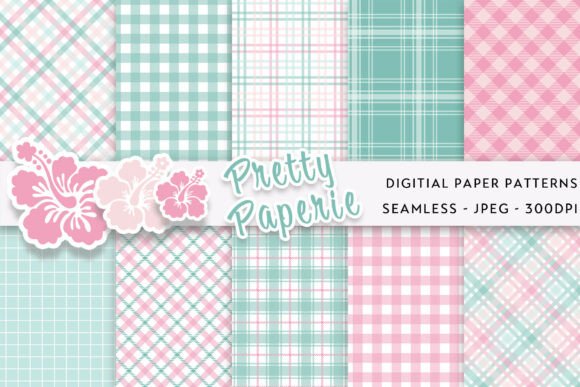
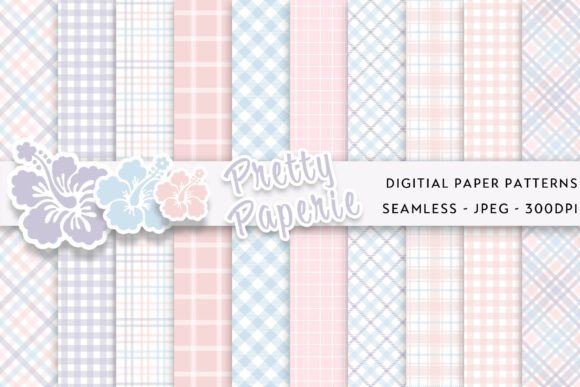
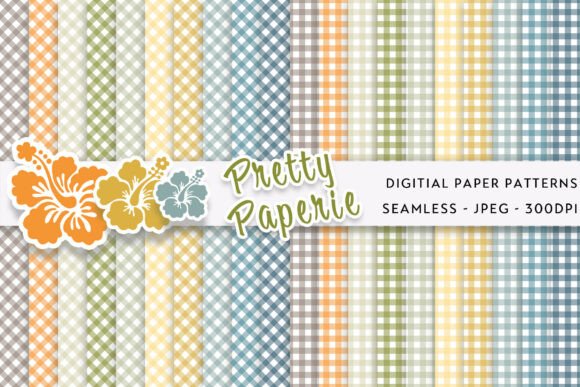
Each background in this collection features the iconic, two-tone checked pattern that defines gingham. The style is clean, graphic, and inherently friendly. The resolution—3600 x 3600 pixels at 300 dpi—means these papers are built for quality. They’ll hold up beautifully whether you’re printing a large scrapbook page or using them as a subtle texture on a website header. The JPG format is universally compatible, making them easy to drop into any design software, from Adobe Photoshop and Illustrator to Canva or even basic photo editors. The real value lies in the coordination. Having 20 patterns that share a common visual language allows you to create complex designs with built-in cohesion. You can use one as a primary background and others as accents for layers, tags, or digital stickers without the patterns clashing.
Where These Digital Backgrounds Truly Shine
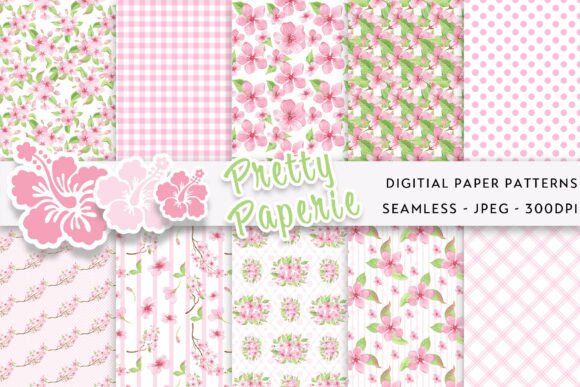
Think of these gingham papers as foundational design assets. Their application extends far beyond traditional crafting. For brand identity, they can become a recognizable signature. Imagine a bakery’s packaging design using a soft pink gingham as a texture for boxes or bags. It instantly communicates homemade, artisanal quality. For editorial design, such as a lifestyle magazine or blog, these patterns can serve as section dividers, pull-quote backgrounds, or table headers, breaking up text and adding visual interest without overwhelming the content. In social media graphics, a gingham background can make a promotional post or quote graphic feel more approachable and less corporate, which is perfect for brands aiming for a friendly, community-oriented voice.
They are particularly effective in projects that aim for a handmade, authentic, or vintage-inspired aesthetic. This includes wedding stationery, baby shower invitations, recipe cards, and small business branding for cafes, florists, or craft shops. The patterns also work surprisingly well in web design for specific elements. A faint, low-opacity gingham could texture a sidebar, while a bolder version might anchor a call-to-action button. For digital planners and journals, they provide a cheerful, organized backdrop that makes digital note-taking feel more tactile and engaging.
Practical Guidance for Using Gingham in Your Work
When incorporating any patterned background, readability is key. The checked nature of gingham is relatively busy, so it’s best used behind elements with strong contrast. Pair it with solid-color text boxes, clean sans-serif fonts, or bold display type. For example, a white or cream text panel over a red gingham background ensures your message is clear while the pattern adds personality to the frame. This is where thinking about font pairing becomes practical. A classic serif font like Garamond for body text might feel too traditional with gingham; instead, a clean sans serif font like Helvetica Neue or a friendly handwritten font can create a more cohesive and modern feel.
From a commercial font and asset perspective, the licensing here is straightforward and generous. The note that these are for personal and commercial use is a significant advantage. You can use them in products you sell, like printed planners, digital downloads on Etsy, or marketing materials for your business, without additional fees. This makes the collection a valuable part of any creator’s toolkit. Before committing to a large project, it’s always wise to test. Download the files, open them in your software, and see how they interact with your existing color palette and typography. Do they complement your brand’s primary colors? Does the scale of the check feel right for your layout? A quick mockup can save hours of redesign later.
Ultimately, the strength of this collection lies in its ability to bring a consistent, joyful aesthetic to disparate projects. It’s not about following a trend; it’s about leveraging a timeless pattern that people inherently respond to. Whether you’re a small business owner crafting a brand story, a designer seeking unique textures, or a hobbyist making something special for a loved one, these 20 coordinating papers provide a reliable and charming starting point. They encourage creativity by removing the guesswork from pattern selection, allowing you to focus on bringing your specific vision to life with confidence and a touch of gingham charm.